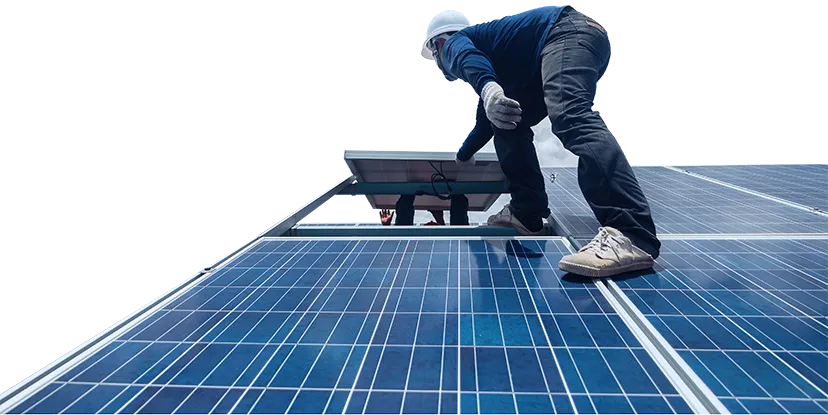
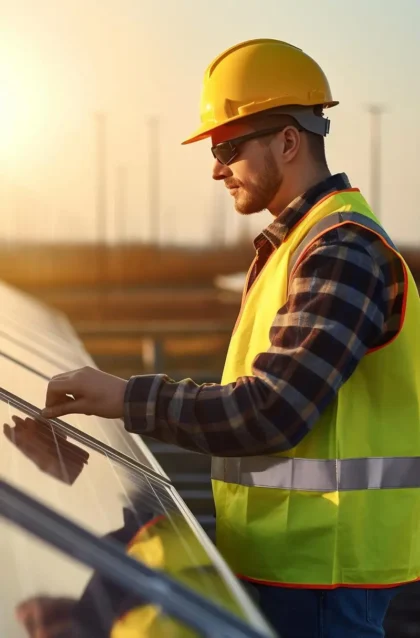
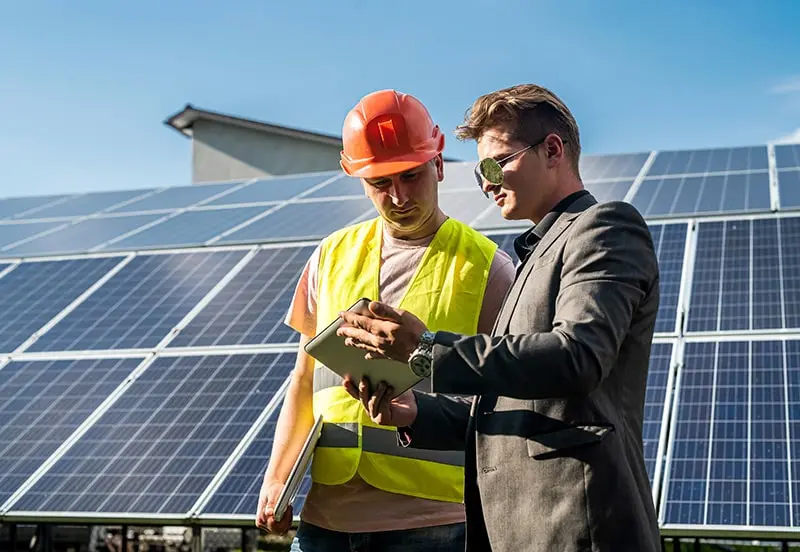
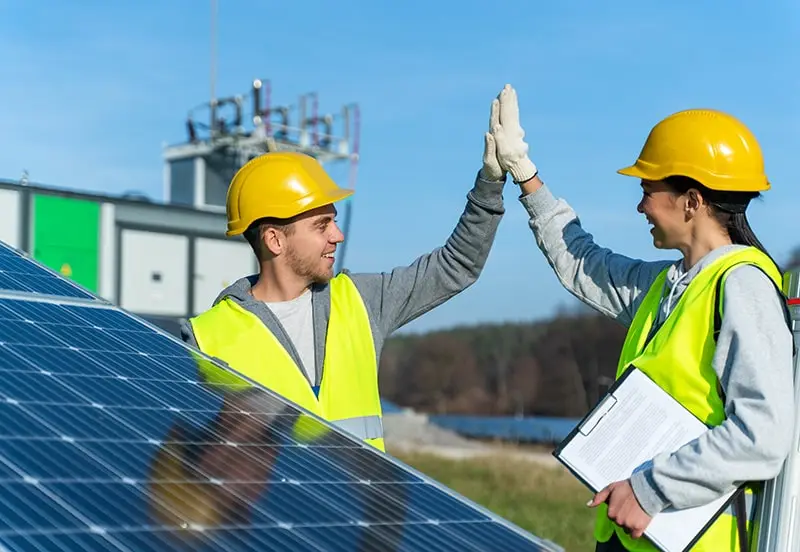
Building-Integrated Photovoltaics (BIPV) involve embedding solar panels directly into a building’s architectural elements such as rooftops, facades, skylights, or canopies. These solar components not only generate clean electricity but also function as part of the building structure, reducing the need for traditional construction materials. By producing energy on-site, BIPV systems help cut down dependency on fossil fuels and significantly lower greenhouse gas emissions. Along with performance and sustainability, BIPV adds a modern and visually appealing design element to buildings, enhancing both efficiency and aesthetics.
How does a solar power system work?
A solar system captures sunlight through panels, converts it into electricity using an inverter, and powers your home or business. Excess power can be stored in batteries or sent back to the grid.
What are the benefits of installing solar panels?
Solar panels help reduce electricity bills, lower carbon emissions, provide energy independence, and increase property value.
How much will a solar installation cost me?
The cost depends on system size, location, and energy needs. However, government subsidies (like the Surya Gujarat Scheme) can reduce upfront costs significantly.
Do solar panels produce power on cloudy or rainy days?
Do solar panels produce power on cloudy or rainy days?
Is there any government subsidy?
Yes, through schemes such as MNRE and Surya Gujarat, residential and commercial consumers can receive subsidies to reduce the cost of solar.